
FlexBoard is for customers who need more than a standard model with a new logo. Moliter helps turn an early idea, a competitor benchmark or a project requirement into a product that can be clearly defined and confirmed
For Brand Owners
Create a model your market can recognize.
Define the target user, price position, brand experience and the product details that should make your offer different.

For Project & Integration Teams
Turn requirements into a workable configuration.
Separate mandatory requirements from optional advantages, then align compatibility, installation and the actual user experience.

The FlexBoard Method
We define the USP before we define the parts.
A long specification is easy to copy. A coordinated experience—built around the customer, environment and competitive goal—is much harder to reproduce.
Define the Direction
Market, users, application, project conditions, target position and benchmark products.
Define the USP
Choose the two or three differences customers should notice, value and remember
Engineer the Experience
Translate the USP into display, touch, audio, video, system, structure and software decisions
Confirm the Product
Align appearance, compatibility, accessories, UI, packaging and project documentation before execution.
Recognition on the outside. Difference in the experience.
A branded color or boot logo creates recognition. The stronger USP is built when those visible details are supported by the way the product looks, sounds, responds and works in its real environment.
“A specification can be copied. A complete product experience is harder to replicate.”
Visible Brand Identity
Appearance, colors, logo, UI skin, boot screen, packaging and documents.
User-Perceived Difference
Viewing comfort, writing feel, sound, camera performance, connectivity and workflow
Coordinated System Design
Components and structures selected to work together—not isolated options added to a list.
4 mm AG glass is not the whole answer
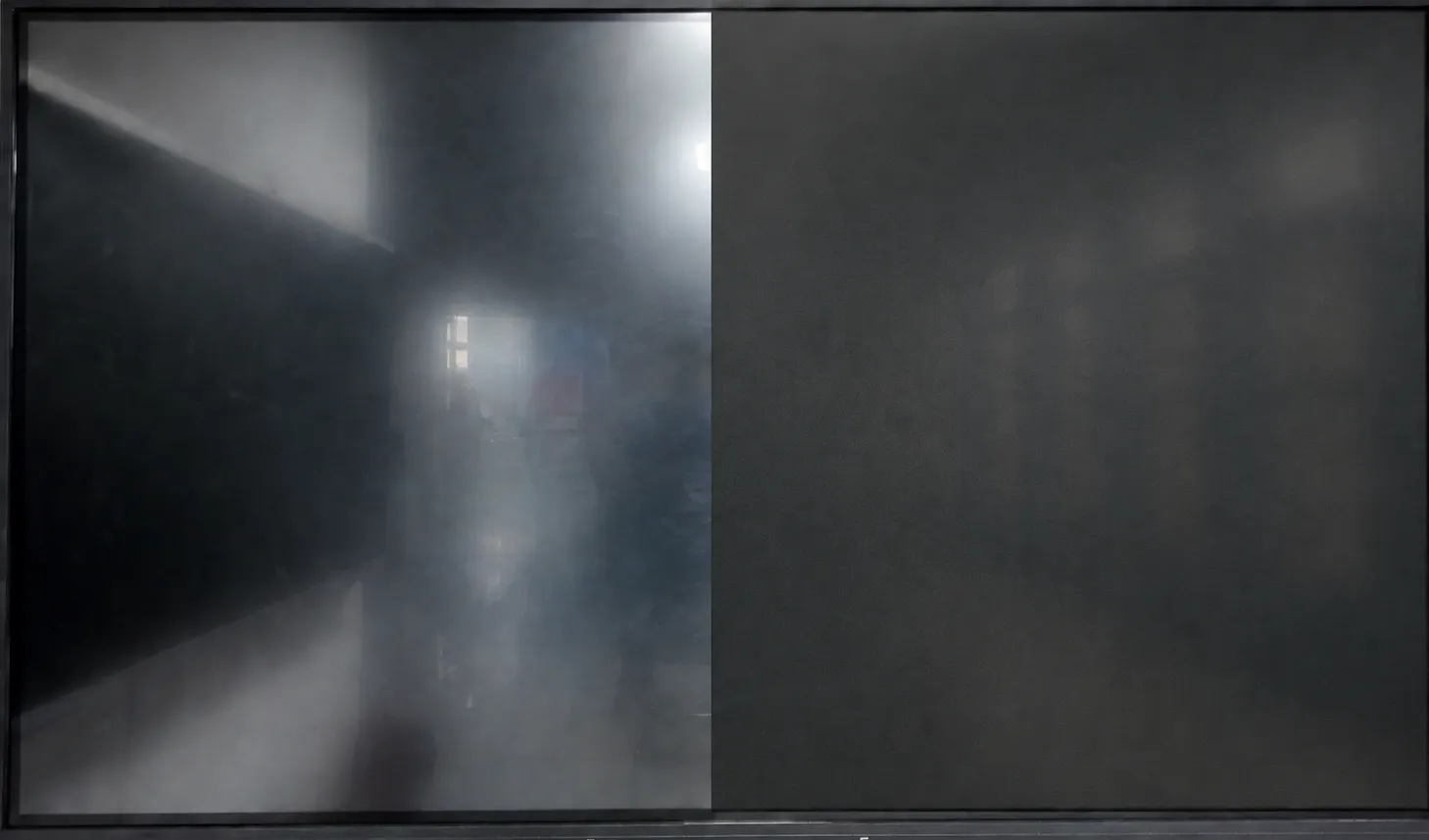
Two displays can show the same headline specification and still perform differently under classroom or meeting-room lighting. The result depends on the complete optical structure and how its parts work together.
Instead of asking only whether AG glass is included, FlexBoard begins with the intended viewing environment and experience, then evaluates the relevant glass, display and structural factors.
Common specification
4 mm anti-glare tempered glass
What the user experiences
Reflection control, image clarity and viewing comfort
What must be considered together
The FlexBoard outcome
A defined anti-glare target—not just an AG label
How we define your model
These are implementation areas, not the starting point. The right combination depends on what the product must achieve and where it must be different.
Display & Interaction
Display characteristics, brightness, optical structure, touch and writing experience.
Audio & Video
Camera, microphone, speakers and room-appropriate collaboration experience.
System & Connectivity
Mainboard, operating environment, ports, device compatibility and casting.
Software Experience
Branded UI, launcher presentation, whiteboard, teaching tools and DMS options.
Installation & Accessories
Mounting, mobility, OPS, cameras, connectivity and project-specific accessories.
Brand Presentation
Housing details, color, logo, boot screen, packaging, manuals and product materials.
FAQ
Beyond adding a logo, how can a customized interactive display create differences that customers will pay for?
Meaningful differentiation can come from the complete user experience: an open-cell panel with better colour and contrast, effective AG glass, a customized camera with improved resolution, colour and noise control, a 2.2-channel speaker system, higher touch accuracy, and a distinctive enclosure and colour scheme. The final combination should be selected around the target market and price position.
How are FlexBoard sample charges, first-order quantity and repeat-order conditions calculated?
Sample charges depend on the customization cost, technical difficulty and development work. The applicable fee and the quantity at which it may be refunded will be written into the development agreement. There is no fixed minimum quantity for the first order. Repeat-order conditions depend on the level of customization, so please contact us with the project details.
Can the approved glass, panel, I/O and mainboard configuration remain consistent in mass production?
We issue a configuration confirmation, lock the key materials, require approval for changes and validate any substitute material before it is used.
Can FlexBoard ship with our software and user interface, and who maintains future software updates?
Yes. We can preinstall specified software and configure your user interface. You remain responsible for maintaining later software updates, while we will assist with hardware and compatibility issues.
How will product information and certification documents correspond to our brand, model name and packaging?
We will explain which documents can be provided after a brand or model-name change, along with any required verification and related cost. We can also coordinate the documentation needed for your certification process.
Will our user interface, enclosure drawings or customer-specific configuration be used for another customer's product?
No. For customer-designed interfaces, enclosures and dedicated configurations, we can include confidentiality and intellectual-property clauses in the contract so your commercial information and design work are legally protected.
Which samples and documents should be approved before ordering a customized interactive display?
Approve one delivery baseline covering the appearance, I/O, hardware version, software version, packaging and accessories. Keep test procedures and results for key functions and define which changes require renewed approval. The approved sample, specification and purchase order should all refer to the same version.
How will Moliter handle a discontinued FlexBoard configuration during phased purchasing or a repeat order one year later?
We will explain the expected FlexBoard lifecycle and provide an end-of-supply notice at least nine months in advance. We will then work with you to validate an alternative and arrange any required spare parts before the original configuration becomes unavailable.